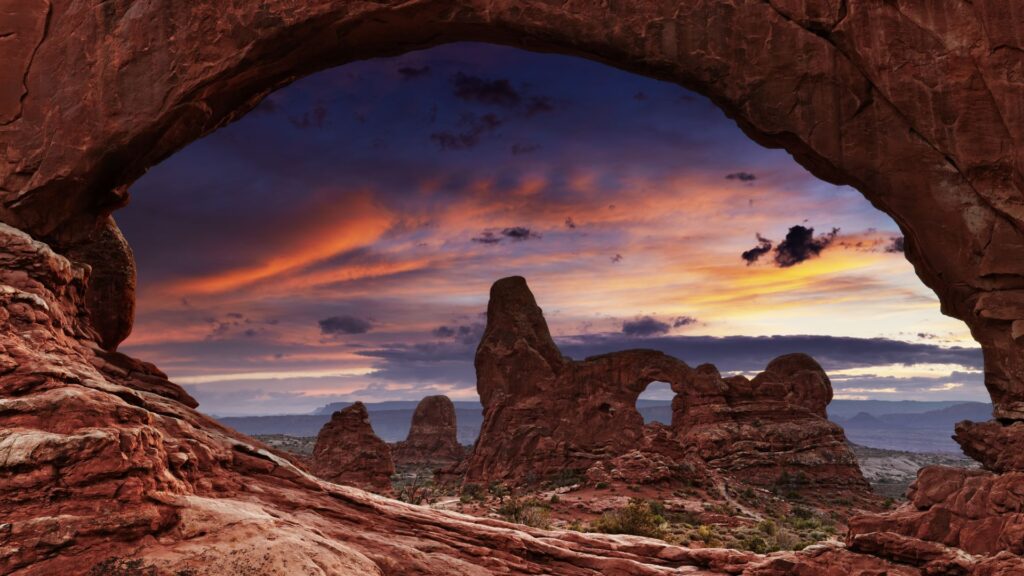
When it comes to Utah’s national parks, Canyonlands often flies under the radar compared to its neighbor, Arches. But for those who make the journey, Canyonlands offers some of the most dramatic and untouched landscapes in the American Southwest. Here, the earth splits open into vast canyons, with winding rivers, towering cliffs, and expansive mesas that seem to stretch into infinity.
Covering nearly 340,000 acres, Canyonlands is the largest national park in Utah and is divided into four distinct districts: Island in the Sky, The Needles, The Maze, and the rivers themselves. Each district offers a unique experience, from easy scenic drives to remote backcountry adventures.
In this article, we’ll explore what makes Canyonlands special, highlight the best things to see and do, and offer tips for planning your trip to this breathtaking wilderness.
A Rugged and Remote Beauty
Canyonlands is a land sculpted by water and time. The Colorado and Green Rivers have carved out deep canyons and gorges, creating a labyrinth of rock formations that appear otherworldly. Unlike the crowds you might encounter at other national parks, here you’ll find a sense of solitude and serenity — perfect for those looking to truly connect with nature.
The park is divided into four districts, each with its own character:
- Island in the Sky: The most accessible and popular district, known for its sweeping views from high mesas.
- The Needles: Famous for its colorful spires and fantastic hiking opportunities.
- The Maze: A remote and challenging area suited only for experienced backcountry travelers.
- The Rivers: The Colorado and Green Rivers offer opportunities for rafting, kayaking, and exploring by water.
Must-See Highlights
Whether you have just a few hours or several days, here are some of the highlights you shouldn’t miss:
1. Island in the Sky
This district is ideal for first-time visitors and offers some of the park’s most iconic views.
- Mesa Arch: A short hike leads to this photogenic arch perched on the edge of a cliff, with the canyons and La Sal Mountains framed perfectly beyond. It’s especially beautiful at sunrise.
- Grand View Point: As the name suggests, this overlook provides one of the most breathtaking panoramas in the park.
- Green River Overlook: Watch the river snake through the canyon below as the light changes throughout the day.
- White Rim Road: A 100-mile loop that can be driven (with a high-clearance 4WD vehicle) or biked for a more adventurous way to explore.
2. The Needles
For those looking to hike and explore more rugged terrain, The Needles district offers stunning scenery and quieter trails.
- Chesler Park Loop Trail: A challenging but rewarding hike through sandstone spires, narrow canyons, and grassy meadows.
- Druid Arch: One of the most spectacular formations in the park, reached via a strenuous hike.
3. The Maze
The Maze is one of the most remote and least accessible areas in the lower 48 states. Its complex network of canyons is only for experienced backpackers, requiring careful planning and navigation.
4. The Rivers
For a completely different perspective, take to the water. Guided rafting trips down the Colorado or Green River offer a chance to see the canyon walls rise dramatically above you.
When to Visit
Canyonlands is open year-round, but the best times to visit are spring (April–May) and fall (September–October), when temperatures are mild and pleasant. Summer can be brutally hot, with daytime highs often exceeding 100°F (38°C), while winter can bring snow and chilly winds — though it’s also when you’re likely to find the park at its quietest.
If visiting in summer, plan your hikes for early morning or late afternoon to avoid the worst of the heat.
Tips for Your Visit
- Prepare for remote conditions: Services within the park are very limited. Bring plenty of water, food, and a full tank of gas.
- Stay on trails: The fragile desert soil is easily damaged, so always stay on designated trails.
- Check road conditions: Many roads require a high-clearance 4WD vehicle, especially if you’re venturing beyond Island in the Sky.
- Dress in layers: Desert temperatures can swing dramatically between day and night.
- Plan ahead: Especially if you’re planning to camp or explore backcountry areas, permits may be required.
Where to Stay
Most visitors stay in Moab, which offers plenty of lodging and dining options and is a convenient base for both Canyonlands and nearby Arches National Park. Within the park, there are campgrounds in Island in the Sky (Willow Flat) and The Needles (Squaw Flat), but these fill up quickly during peak seasons.
For those venturing into the backcountry, there are primitive campsites throughout the park that require a permit.
Why Canyonlands Captures the Imagination
What sets Canyonlands apart is its sense of vastness and wildness. Here, you can stand on a high mesa and gaze across an endless sea of canyons, or descend into the depths of a slot canyon where silence and solitude reign. It’s a place that invites reflection and adventure, offering something for everyone — whether you prefer the comfort of scenic overlooks or the challenge of navigating remote backcountry trails.
Unlike more developed national parks, Canyonlands feels truly untamed. It’s a reminder of how powerful and patient nature can be, carving such intricate beauty from rock and time.
Final Thoughts
Canyonlands National Park is a place of contrasts — rugged yet serene, harsh yet beautiful, intimidating yet inviting. It’s a destination that rewards those who venture beyond the beaten path and take the time to truly see it.
Whether you have an afternoon to watch the sun rise over Mesa Arch, a few days to hike The Needles, or a week to brave The Maze, Canyonlands promises an experience you’ll never forget. If you’re looking to reconnect with the wild, to find solitude, and to be humbled by the majesty of the earth, this is the place to do it.
So grab your map, pack your sense of adventure, and set your sights on Utah’s wildest park. Canyonlands is waiting to take your breath away.