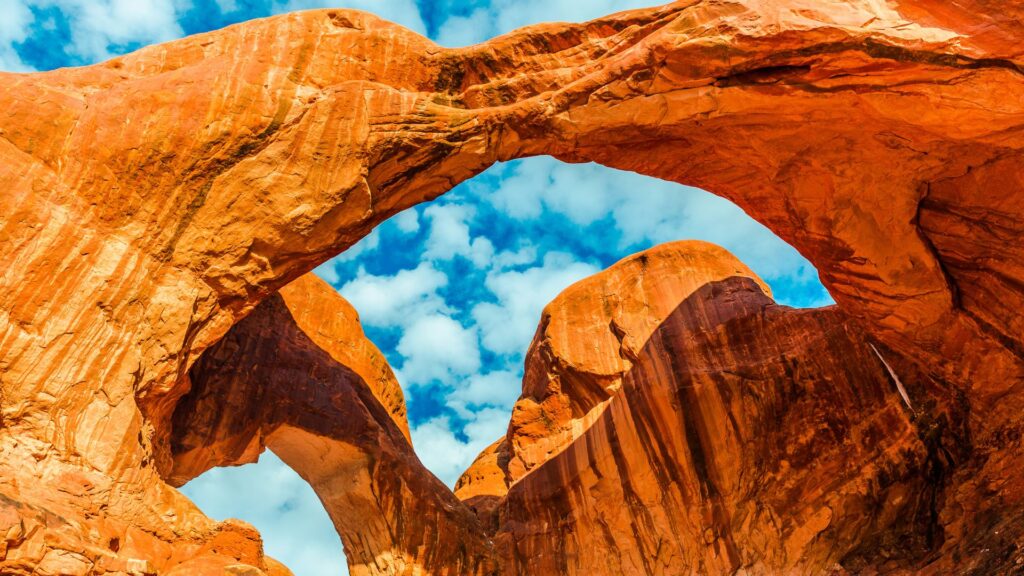
Exploring Arches National Park: A Red Rock Wonderland
Utah’s Arches National Park is one of the most unique and visually striking places you’ll ever see. Located just north of Moab, the park is home to more than 2,000 natural stone arches — the highest concentration of natural arches in the world — as well as towering spires, balanced rocks, and massive fins of red sandstone.
Everywhere you look, the landscape seems to defy gravity and imagination. The arches themselves, some delicate and others massive, frame the desert sky like giant windows into another world. Whether you’re hiking among the formations, watching the sun set over the rocks, or stargazing under the crystal-clear desert night, Arches National Park promises an unforgettable experience.
In this article, we’ll cover what makes Arches so special, must-see highlights, when to visit, and tips to make the most of your trip.
The Geology of Arches
The park’s stunning formations are the result of millions of years of erosion, weathering, and shifting earth. Ancient seas deposited layers of sedimentary rock, which were uplifted and cracked over time. Wind, water, and freezing temperatures slowly carved out arches, spires, and other formations, creating the breathtaking scenery you see today.
The fiery red and orange hues of the sandstone, especially at sunrise and sunset, make the whole landscape glow — a photographer’s dream and a sight you’ll never forget.
Must-See Highlights
Arches National Park is packed with incredible sights. Here are some of the top stops you won’t want to miss:
1. Delicate Arch
Arguably the most famous arch in the park — and perhaps the most iconic in the entire country — Delicate Arch stands alone on a sandstone ridge, framing the distant La Sal Mountains. The hike to reach it is about 3 miles round trip and moderately strenuous, but seeing the arch up close is well worth the effort. It’s especially stunning at sunset when the arch glows deep orange against the sky.
2. Landscape Arch
Located in the Devil’s Garden area, Landscape Arch is one of the longest natural arches in the world, stretching an incredible 306 feet across. The hike to reach it is relatively easy and about 1.6 miles round trip.
3. Balanced Rock
One of the park’s most striking features, Balanced Rock is exactly what it sounds like — a massive boulder perched precariously atop a narrow pedestal of rock. You can see it from the road or take a short loop hike around it for different perspectives.
4. The Windows and Turret Arch
This area features a cluster of huge arches and is perfect for exploring. The North and South Windows, along with nearby Turret Arch, make for an easy hike and some of the park’s most photogenic scenery.
5. Devil’s Garden
For those who want more adventure, Devil’s Garden offers the park’s longest maintained trail, as well as opportunities to explore several arches, including Double O Arch and Navajo Arch. Some sections of the trail involve scrambling over rocks and navigating narrow ledges.
When to Visit
Arches is open year-round, but the best times to visit are spring (March–May) and fall (September–November), when temperatures are mild and pleasant. Summers can be scorching, with daytime highs often exceeding 100°F (38°C), while winters bring colder temperatures and occasional snow.
Spring and fall also offer the bonus of smaller crowds compared to the peak summer months.
If you’re visiting in summer, plan to explore early in the morning or later in the evening to avoid the heat and enjoy the softer light.
Tips for Your Visit
- Start early or stay late: Sunrise and sunset are the best times to experience the park’s magical lighting — and to avoid the crowds.
- Bring plenty of water: The dry desert climate is extremely dehydrating, even on cooler days.
- Wear sturdy shoes: Many trails are rocky and uneven, so good hiking shoes are essential.
- Respect the fragile ecosystem: Stay on designated trails and avoid stepping on the delicate soil crust that helps prevent erosion and supports desert life.
- Book accommodations in advance: Nearby Moab can get very busy, especially during peak season.
Where to Stay
Most visitors stay in Moab, the closest town, which offers a wide range of accommodations, from campgrounds and budget motels to upscale hotels. There’s also camping available inside the park at the Devils Garden Campground, though spots fill up fast and reservations are highly recommended.
If you prefer more solitude, you can also find camping and lodging options in nearby areas like Castle Valley or along scenic byways outside of town.
Why Visit Arches?
Arches National Park is more than just a collection of rocks — it’s a testament to the power of nature and time. There’s something magical about standing beneath a massive stone arch, feeling the breeze through its opening, and imagining the millions of years it took to form. It’s also a place of contrasts: harsh desert meets delicate wildflowers, brilliant blue skies frame crimson cliffs, and silence is punctuated only by the wind.
Visitors often describe their time here as humbling, inspiring, and even spiritual. It’s a reminder of just how small we are — and how beautiful our planet can be.
Final Thoughts
Whether you’re an avid hiker, a photographer, or simply someone who appreciates natural beauty, Arches National Park is a place you’ll never forget. Every turn in the road reveals another jaw-dropping scene, another reason to stop and marvel. It’s a red rock wonderland that belongs on every traveler’s bucket list.
So pack your hiking shoes, charge your camera, and set out for an adventure among the arches. You’ll leave with more than just photos — you’ll take home memories of a landscape unlike anywhere else on Earth.