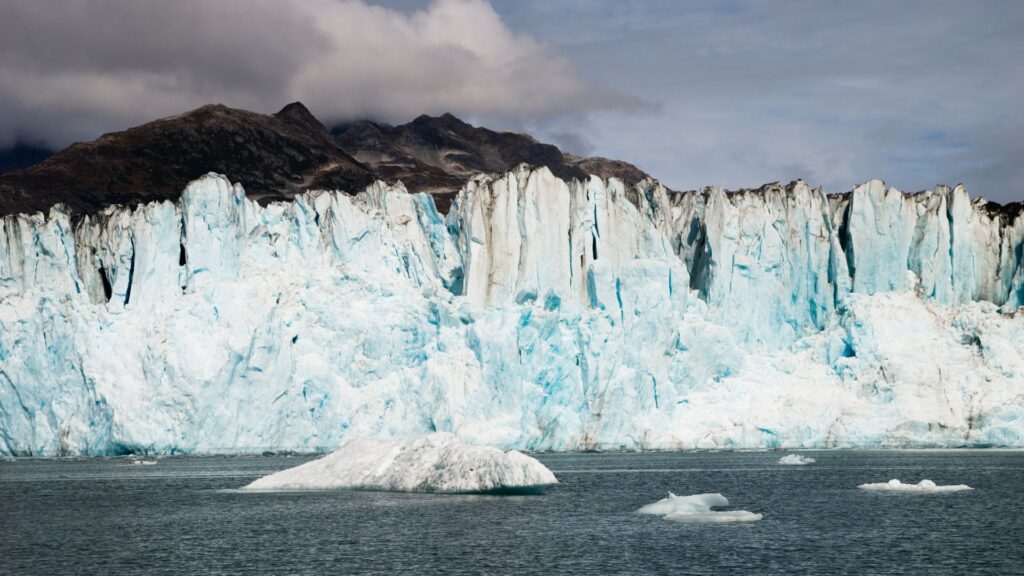
Tucked away in the rugged Rocky Mountains of northern Montana, Glacier National Park is often called the “Crown of the Continent” — and for good reason. This spectacular wilderness is home to more than one million acres of jagged peaks, shimmering alpine lakes, dense forests, and, of course, the remnants of the glaciers that shaped its dramatic landscapes.
Established in 1910, Glacier National Park is one of America’s oldest and most beloved national parks, attracting hikers, photographers, wildlife enthusiasts, and anyone who craves the serene beauty of the mountains. Whether you’re driving along the jaw-dropping Going-to-the-Sun Road, trekking to a hidden lake, or spotting grizzly bears in a wildflower-strewn meadow, Glacier promises an unforgettable experience.
In this article, we’ll explore what makes Glacier National Park so special, highlight the best things to see and do, and offer tips to help you plan your adventure.
A Landscape Sculpted by Ice
Over thousands of years, massive glaciers carved out the valleys, ridges, and lakes that define the park today. While many of the park’s glaciers have melted significantly due to climate change — with only about two dozen remaining — their legacy lives on in the breathtaking terrain.
Glacier National Park straddles the Continental Divide and contains parts of two mountain ranges, hundreds of streams and waterfalls, and more than 700 miles of hiking trails. At every turn, you’ll find postcard-perfect views and a profound sense of wildness.
Must-See Highlights
With so much to explore, here are some of Glacier’s most iconic sights and experiences:
1. Going-to-the-Sun Road
One of the most scenic drives in North America, this 50-mile road crosses the park from east to west, climbing over Logan Pass at 6,646 feet. The road hugs cliffs, winds past waterfalls and glaciers, and offers spectacular overlooks. Open only in summer due to snow, it’s a must for any visitor — whether you drive it yourself, take the free park shuttle, or join a guided Red Bus Tour.
2. Logan Pass
At the highest point on the Going-to-the-Sun Road, Logan Pass is surrounded by alpine meadows that burst with wildflowers in summer. The Hidden Lake Overlook Trail starts here, offering incredible views (and frequent mountain goat sightings).
3. Lake McDonald
The largest lake in the park, Lake McDonald dazzles visitors with its crystal-clear waters and colorful rocks beneath the surface. The nearby historic Lake McDonald Lodge is a great place to relax or enjoy a meal.
4. Many Glacier
On the Glacier National Park’s east side, Many Glacier is a hiker’s paradise, with trails leading to glaciers, turquoise lakes, and dramatic peaks. Grinnell Glacier Trail is a highlight — a strenuous hike that rewards you with an up-close view of one of the park’s remaining glaciers.
5. Avalanche Lake
An accessible and popular hike starts at the Trail of the Cedars and leads to the stunning Avalanche Lake, surrounded by towering cliffs and cascading waterfalls.
When to Visit
Glacier National Park is most accessible in summer, when the snow has melted, trails are open, and the Going-to-the-Sun Road is fully cleared (usually late June to mid-October). Wildflowers are at their peak in July and August, but this is also the busiest time, so plan ahead for accommodations and parking.
Fall (September–October) brings brilliant autumn colors and fewer crowds, while spring (May–June) offers quieter visits and roaring waterfalls, though many trails remain snow-covered. Winter blankets the park in snow and limits access, but it’s ideal for cross-country skiing, snowshoeing, and solitude.
Tips for Your Visit
- Plan ahead: Lodging, campsites, and permits for popular hikes (like the backcountry or Glacier National Park’s new vehicle reservation system) often sell out months in advance.
- Check trail conditions: Snow can linger into July on higher-elevation trails. Always check the park’s website for current conditions.
- Bring layers: Mountain weather is unpredictable, with chilly mornings and sudden storms even in summer.
- Carry bear spray: Glacier is home to both grizzly and black bears. Make noise while hiking, stay alert, and know how to use bear spray.
- Start early: To beat crowds, especially at Logan Pass and other popular trailheads, arrive at sunrise or early morning.
Where to Stay
Glacier offers several historic lodges, including Lake McDonald Lodge, Many Glacier Hotel, and Granite Park Chalet, but these fill up fast. There are also campgrounds scattered throughout the park, ranging from reservable sites to first-come, first-served options.
For more options, the gateway towns of West Glacier, Columbia Falls, and Whitefish offer hotels, cabins, and restaurants on the west side, while Babb and St. Mary serve the east side of the park.
Why Glacier National Park Captures the Imagination
Few places evoke the same sense of awe as Glacier National Park. Its wild beauty — jagged peaks rising into the clouds, fields of wildflowers swaying in the breeze, waterfalls cascading into alpine lakes — feels timeless. It’s also a living laboratory, where you can witness the effects of both geological time and the more immediate impacts of climate change as the glaciers retreat.
Beyond the scenery, Glacier is a sanctuary for wildlife and a haven for quiet reflection. Watching a moose graze in a meadow, hearing the wind whistle across a high ridge, or catching a glimpse of a shooting star in the dark mountain sky — these moments remind us of the wildness that still exists in our world.
Final Thoughts
Glacier National Park is more than just a destination — it’s an experience that stays with you long after you leave. Whether you come to hike its rugged trails, drive its scenic roads, or simply soak in its beauty, you’ll find yourself drawn into its spell.
So pack your boots, your camera, and your sense of wonder, and come see why Glacier truly is the Crown of the Continent. You’ll leave with memories of towering mountains, shimmering lakes, and the quiet magic of a place where nature still reigns supreme.
To continue learning about this natural treasure, check out the Wikipedia page for more information.
To explore more national parks, explore our full blog here.