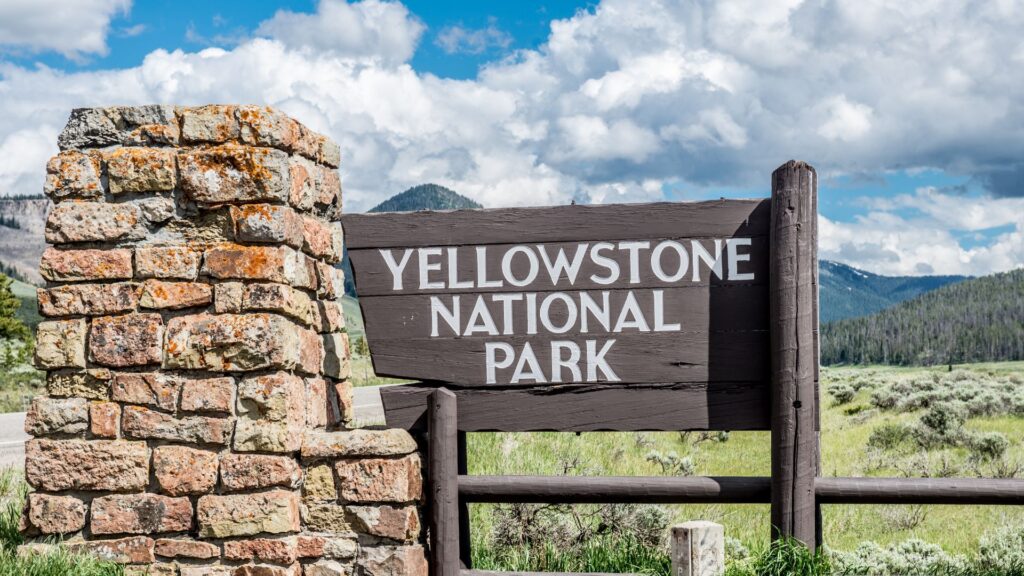
When Congress established Yellowstone National Park in 1872, it became the world’s first national park — and to this day, it remains one of the most beloved. Covering nearly 3,500 square miles across Wyoming, Montana, and Idaho, Yellowstone is a land of astonishing diversity: bubbling hot springs, colorful thermal pools, dramatic canyons, and some of the most abundant wildlife in North America.
Every year, millions of visitors come to marvel at its unique geothermal features, hike its countless trails, and catch a glimpse of its iconic animals. But beyond its famous sights, Yellowstone is a place of quiet wonder, where you can experience the raw power of nature and the serenity of wild landscapes.
In this article, we’ll dive into what makes Yellowstone so special, highlight its must-see attractions, and share tips for planning your perfect adventure.
A Landscape Like Nowhere Else
Yellowstone sits atop a massive volcanic hot spot, which fuels its famous geysers, hot springs, and fumaroles. Nowhere else in the world boasts such a high concentration of geothermal features — the park is home to half of all the geysers on Earth.
But that’s just part of its story. Deep canyons, pristine lakes, roaring rivers, and sprawling meadows create a patchwork of ecosystems. And wherever you go, wildlife is never far away — bison, elk, bears, wolves, and even bald eagles call this park home.
Must-See Highlights
With so much to see and do, planning your Yellowstone adventure can feel overwhelming. Here are some of the park’s most iconic sights to get you started:
1. Old Faithful
Perhaps the most famous geyser in the world, Old Faithful lives up to its name by erupting every 60–110 minutes, shooting scalding water up to 180 feet into the air. Surrounding it is the Upper Geyser Basin, where you can explore dozens of other geysers and hot springs along boardwalks.
2. Grand Prismatic Spring
This massive hot spring is the largest in the United States and one of the most colorful sights on Earth. The vibrant rings of blue, green, yellow, and orange come from heat-loving bacteria that thrive in the hot water.
3. Grand Canyon of the Yellowstone
This dramatic canyon, carved by the Yellowstone River, features stunning waterfalls — including the 308-foot Lower Falls — and breathtaking viewpoints like Artist Point and Lookout Point.
4. Yellowstone Lake
At over 7,700 feet in elevation, Yellowstone Lake is the largest high-elevation lake in North America. Its icy blue waters are surrounded by forests and mountains, making it a perfect spot for a picnic or a peaceful hike.
5. Lamar Valley
Known as the “Serengeti of North America,” Lamar Valley is the best place in the park to spot wildlife. Bison herds graze the meadows, while wolves, grizzly bears, elk, and coyotes roam the area — especially at dawn and dusk.
6. Mammoth Hot Springs
These unique terraces of travertine are constantly shifting as hot water deposits layers of white and gold-colored limestone, creating a surreal and ever-changing landscape.
When to Visit
Yellowstone is open year-round, but the experience varies dramatically by season:
- Spring (April–May): Wildlife is abundant as animals emerge from hibernation and give birth to young. Some roads and facilities may still be closed due to snow.
- Summer (June–August): The busiest time of year, with warm weather, full access to roads and trails, and lots of ranger programs.
- Fall (September–October): Fewer crowds, cooler temperatures, and vibrant fall colors make this a favorite time for many visitors.
- Winter (November–March): A magical (and challenging) time to visit, with snow-covered landscapes, fewer people, and opportunities for cross-country skiing and snowshoeing.
Tips for Your Visit
- Plan ahead: Accommodations inside the park fill up months in advance, especially for summer. Book early.
- Drive carefully: Wildlife often crosses the roads, and traffic jams caused by bison (“bison jams”) are common.
- Stay on the boardwalks: The geothermal features are dangerous, with thin crusts and boiling water just beneath the surface.
- Bring layers: Weather can change quickly, even in summer. Be prepared for chilly mornings and possible rain.
- Pack binoculars: To better spot wildlife from a safe distance.
Where to Stay
You can stay inside the park at historic lodges like the Old Faithful Inn or camp at one of Yellowstone’s 12 campgrounds (reservations recommended). Outside the park, nearby towns like West Yellowstone, Gardiner, and Cooke City offer hotels, cabins, and restaurants.
Why Yellowstone Captivates Visitors
Yellowstone is more than just a park — it’s a place where the earth feels alive. The sight of steam rising from colorful pools, the smell of pine forests mingled with sulfur, the sound of a distant waterfall echoing through a canyon — these moments stay with you long after you leave.
The park also offers a rare chance to witness wildlife in their natural habitat, reminding us of the importance of preserving these wild spaces for future generations. Whether you’re standing in awe of Old Faithful, watching a bison herd graze, or simply soaking in the silence of a remote trail, Yellowstone offers countless ways to reconnect with nature.
Final Thoughts
Yellowstone National Park is a place of wonder, a living laboratory of geology and ecology, and a sanctuary for wildlife and humans alike. More than 150 years after it was founded, it continues to inspire visitors with its beauty, power, and sense of timelessness.
So pack your camera, your hiking boots, and your sense of adventure, and experience for yourself why Yellowstone remains one of the crown jewels of the national park system. You’ll leave with more than just photos — you’ll carry with you the memory of a place where the wild still reigns.